





How Do We Keep Our Material Bodies Healthy?
Last Updated August 17, 2026

Factors to Staying Healthy
One thing we keep in mind in order to keep our material bodies healthy is our energy flow. We understand from personal experience that our energy flow directly influences our physical, mental, emotional, and spiritual health. For example, the Law of One (46:9) explains that repressing or not processing destructive thoughts of anger can cause stress for our solar plexus energy center. This can manifest into destructive physical behavior such as throwing objects. Over time, the stress from this lower vibrational energy can manifest as physical diseases such as cancer (Law of One, 46:9-16). Yes, that’s right…repressed trauma and stagnant energy can manifest as cancer.
So one of the biggest factors to keeping the material body healthy seems to be keeping our energy systems (mind, energy centers, energy field, etc.) and surrounding environment (e.g. home) healthy.
Another factor we take into account is our mindset. What we say and think can directly affect our physical state. We’ve experienced firsthand how avoiding negativity and embracing positive thinking can transform our physical well-being. Studies have even shown that when we consciously shift our mindset toward positivity, the brain emits signals that influence bodily functions, as evidenced by the placebo effect. When we view ourselves in a positive light and believe that we are healthy, our efforts, intentions, and environment begin to align with that belief, as affirmed by the law of attraction.
Practices to Keep the Material Body Healthy
Known Healthy Practices
There isn’t a one-size-fits all solution to keeping our material bodies healthy since each entity’s body is configured differently based on specific karma, tendencies, attachments, and biases. However, our research suggests there is a consensus on several beneficial practices we could do or states of being we should try to achieve. For example, both Ayurveda and Sadhguru (Yogi, Mystic & Guru) suggest focusing on proper diet, exercise, attitude, and rest. The Bhagavad Gita (18:51-53) and Edgar Cayce offer similar suggestions such as relishing solitude, eating lightly, engaging in daily sadhana (meditation, prayer, yoga), practicing dispassion, and living a balanced life.
We’ve experienced firsthand how these efforts can have an even greater impact when combined. For example, when prayer is combined with meditation, it can become even more powerful. Meditation can bring stillness and calm to the mind. Prayer, with sincere faith and devotion, can then allow divine support and guidance to flow into that calm space. Let’s talk about prayer for a second fellow souls. Is prayer misunderstood? We resonate with the concept that prayer isn’t simply about asking for something. It’s a sacred act of expressing our intentions and surrendering our fears to Source. Perhaps when we pray, we’re essentially affirming our trust and faith in Source.
Consider this fellow souls. Sadhguru (Guru, Yogi & Mystic) explains that it’s not even the actual prayer which makes a difference. It’s really about being prayerful as a quality or state of being rather than performing an act. He further explains that becoming prayerful means that our whole being has become an offering. It’s a process of offering ourselves to the Divine. But we digress…
Of course, medications can act as temporary options if used consciously. However, Edgar Cayce Readings (1173-6, 1173-7) explain that while medications have the potential to help temporarily, they can also diminish the body’s own healing work. Edgar Cayce Readings further explain that medications only attune the body for the proper reactions from the elemental forces of divinity already within the body (1173-6, 1173-7). In other words, medications and other outside resources can help put us in a more conducive, receptive state so that the body and mind can naturally heal themselves. As Dr Joe Dispenza (Author, Researcher & Lecturer) often explains, there’s no better pharmacy than the human body.
Lesser-Known Healthy Practices
Other practices that resonate with us to keep the material body healthy include using medicinal herbs, plants, and essential oils and components for healing, performing energy cleansings, smudging with sage, spending time in nature, chanting and singing, engaging in sound baths, performing tai chi, fasting, performing breathwork (pranayama), reducing blue light (which signals the brain to suppresses melatonin), visualization, using crystals (Law of One, 2:3), taking elemental baths (sun, fire, water, mud, or wind), oil pulling, self-massaging using coconut oil, saying affirmations, and expressing gratitude, to name a few.
Three lesser known practices that we want to highlight are grounding (earthing), reducing fluoride intake, and environmental cleansings. Grounding is the practice of connecting our bodies directly to the Earth’s natural negative charge. By being in direct, sustained contact with the earth (grass, sand, soil), we can absorb its free electrons. This can neutralize the free radicals and electromagnetic static that builds up in our bodies from Wi-Fi signals, cell phones, ungrounded electronics, and more. What are the effects of grounding? Ongoing scientific research suggests that grounding can reduce inflammation, improve sleep, boost the immune system, increase energy, increase blood flow, and lower stress. In other words, there are benefits to going barefoot outdoors — no insulated soles.
What about reducing our fluoride intake? Fluoride is a naturally occurring mineral that’s said to help strengthen tooth enamel. What’s the actual truth about fluoride? While there’s scientific evidence that fluoride is beneficial for our teeth, it appears that the same can’t be said for fluoride’s effects on our pineal glands. Pineal glands are primarily responsible for producing melatonin — a hormone that helps regulate our sleep. Our research suggests that when fluoride accumulates in the pineal gland, it can accelerate calcification, potentially lowering melatonin production and disrupting sleep. Because the pineal gland is associated with the third eye energy center (chakra), what if fluoride also reduces the pineal gland’s ability to resonate with higher-vibrational frequencies?
Since our energy fields can act as channels between our energy centers and the outer environment, we’ve found that cleansing and/or protecting our surrounding environment is beneficial. The Law of One explains several practices to cleanse our environment including garlic and salt rituals (95:4-15). It explains that salt can absorb stagnant, lower vibrations and that fear-oriented subtle astral entities will not coexist with cut garlic. Sadhguru explains three ways to cleanse negative energies from one’s home to ensure the space is not inert: introduce purifying agents (resins), light an oil lamp, and perform a puja (consecration ritual).
Transcending the Material Body
Each material body or covering (gross physical, subtle astral, and causal) is different. We resonate with the idea that if we can transcend their influence and attachment, then we can shed these material costumes permanently. It’s thought that as we peel away these different layers of illusion, we can rediscover our divine nature and access higher levels of consciousness — even to the point where sleep is practically unnecessary! According to Autobiography of a Yogi (13:123), all organs remain in a state of suspended animation in super-consciousness, making sleep virtually unnecessary. But we digress…
Our research suggests that transcending our material bodies means realizing with clarity that we are not our egos, bodies, minds, and intellects but eternal souls. This is referred to by many as self-realization or enlightenment. Self-realization is seen as the first definitive shift from ego to soul. The Law of One (105:20) suggests self-realization is about consciously using the mind and body complexes to align with the higher purpose of the spirit complex, closing the gap between the manifested (incarnated, lower) self and the wisdom of the unmanifested (higher) self.
We can achieve self-realization through many different practices or states of being. One is through self-inquiry and introspection (looking deep within), as Sri Ramana Maharshi (Sage & Jivanmukta, 1879 – 1950) suggested. The Bhagavad Gita suggests yoga practices like dhyan yog (meditation), karm yog (selfless action), bhakti yog (devotion), and jnana yog (knowledge) — although devotion seems to be necessary in all paths in order to enter into full awareness of Source (Bhagavad Gita, 18:56). Autobiography of a Yogi (26: 207) suggests practicing kriya yoga which focuses on self-mastery over our energy systems through meditation and breathwork.
As one can see, there are many ways to go about transcending our avatars. But no worries. We have the freedom to choose or pivot from any practice or state of being based on what resonates with us at that time. The key is to have enthusiasm and faith (Bhagavad Gita: 9:3, 13:26) — and to keep moving. By moving, we mean progressing spiritually in the same direction. Sadhguru (Guru, Mystic & Yogi) refers to this as maintaining the direction — removing distractions and maintaining focus in the right direction. Not taking one step forward, then one step back.
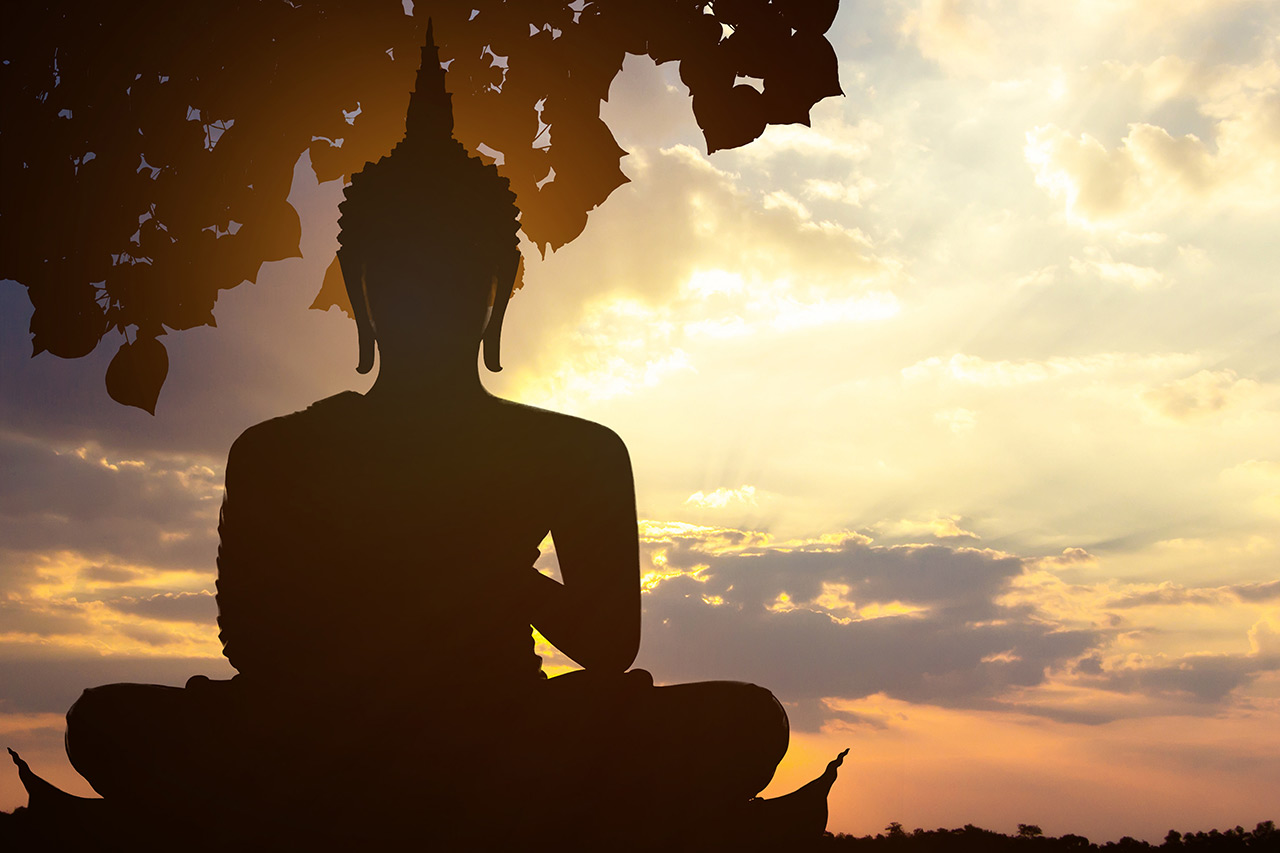
Sadhguru and the Law of One (19:3) both explain that self-realization will inevitably happen because it’s the nature of life to realize itself. If one needs a little inspiration, The Buddha’s (Siddhartha Gautama) story is a great place to start. As the story goes, he famously meditated under a sacred fig (peepal) tree (Bhagavad Gita, 10:26) for nearly 50 consecutive days — let’s go, right!