



What Is the Spiritual Universe?
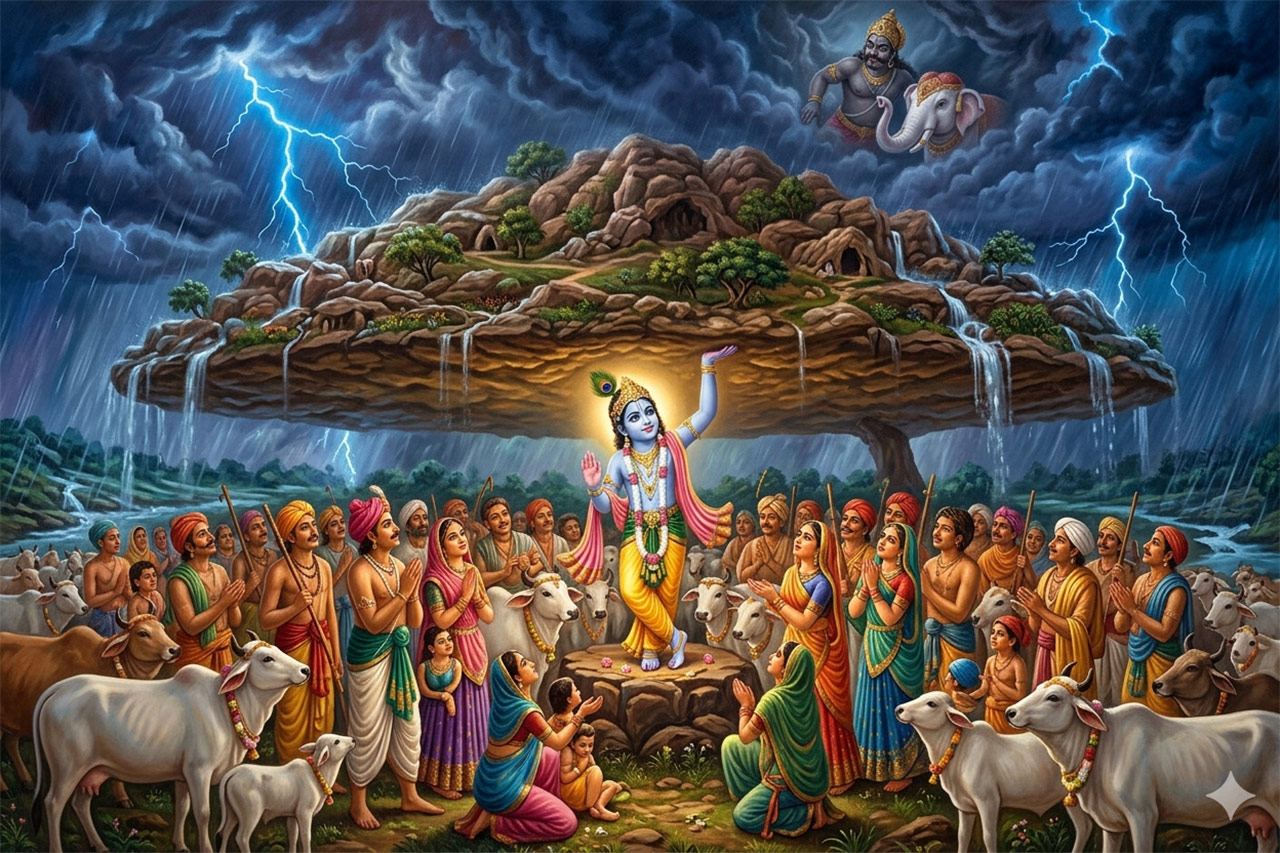
The Nature of the Spiritual Universe
Divine Love
We resonate with the concept that the spiritual universe is the self-luminous, non-perishable universe of eternity. It’s described as sat-chit-ananda (eternity, knowledge, and bliss) (Bhagavad Gita, 15:6) — being perfect and free from the defects of the material universe. As three-fourths of creation, Swami Mukundananda (Bhakti Yog Saint & Yoga Teacher) explains that the spiritual universe doesn’t dissolute along with the material universe in the cycle of creation (Bhagavad Gita, 8:20). It’s beyond the material universe and not tainted by it.
In the spiritual universe, divine love is said to be the basis of all activities and interactions with Source. The spiritual universe is thought to be governed by superior, spiritual energy. According to Vedic teachings, it’s created and governed by yogmaya, which is the transcendental, perfect, spiritual potency that arranges the non-material activities of Source and ensures Source is never tainted by the material universe (Bhagavad Gita: 8:20, 16:8, 18:56).
Home to the Liberated
The spiritual universe is home to liberated souls (Bhagavad Gita, 8:16) — including swansh (direct expansions of Source, like Sri Krishna), vibhinnansh (souls) who’ve always been liberated (nitya siddha), and vibhinnansh (souls) who’ve been liberated by sadhana. Liberated souls can take form in spiritual bodies (avatars). These forms are thought to be non-material and made of Source’s superior, spiritual energy. This suggests they’re never subject to birth, death, disease, or the limitations of the material gunas. This would make these forms perfectly suited for engaging in loving, devotional relationships with Source through divine leelas.
Leelas are the divine pastimes and actions swansh and liberated souls can perform that can later take form as stories, folklore, and even movies. They’re most often used to help unliberated souls more easily understand spiritual concepts (Bhagavad Gita, 13:5). Perhaps in these leelas, swansh will take on the role as the object of love (master, child, beloved), while liberated souls take on the role as the projector of love (friend, parent, servant).
Kingdoms (Abodes, Lokas)
The spiritual universe is said to contain numerous kingdoms (abodes, lokas) for swansh (Bhagavad Gita, 15:6). Sri Ram, Sri Krishna, etc. are said to all have their own separate kingdoms. For example, Golok (kingdom of Sri Krishna) is considered the highest, where Sri Krishna resides eternally in his original, complete form. According to Swami Mukundananda (Bhakti Yog Saint & Yoga Teacher), Saket is the kingdom of Sri Ram, Vaikunth is the kingdom of Lord Vishnu, Shiv is the kingdom of Lord Shiva, and Devi is the kingdom of the Divine Mother Durga (Bhagavad Gita, 8:21).
Yes, it appears that swansh can have kingdoms in both the spiritual universe and material universe. Consider this fellow souls. In the material universe their kingdoms could be considered dhams. Dhams (such as Vrindavan, Ayodhya, or Puri) are viewed as holy earthly kingdoms and the counterparts to spiritual kingdoms. While they are physically located in the material universe, they are considered a direct projection or manifestation of spiritual kingdoms and therefore untouched by maya.
Essentially, nitya siddha, sadhana liberated souls, and eternal associates (sakhis) who’ve perfected their selfless, loving service to Source can reside in the kingdom of their chosen guru or spiritual teacher (Bhagavad Gita, 18:56). For example, devotees of Sri Krishna can participate in leelas in Sri Krishna’s kingdom. Judging by the Bhagavad Gita and Sri Krishna’s mischievous nature, we’re sure they’re always having an epic time!